
Car Key Is Stuck in the Ignition in Maryland
A car key that will not return to the release position or come out of the ignition cylinder is usually a hardware, alignment, key, or access-control problem that needs to be identified before any part is replaced. The useful first step is to separate a simple operating issue from a damaged component. 911 Locksmith serves Severn and communities across its listed Maryland service area during posted business hours. Call (240) 512-8126 to describe what the lock, key, door, or car is doing and arrange service.
- 4.9 on Google
- Licensed, bonded and insured
- Serving Maryland since 2013
- We come to your address
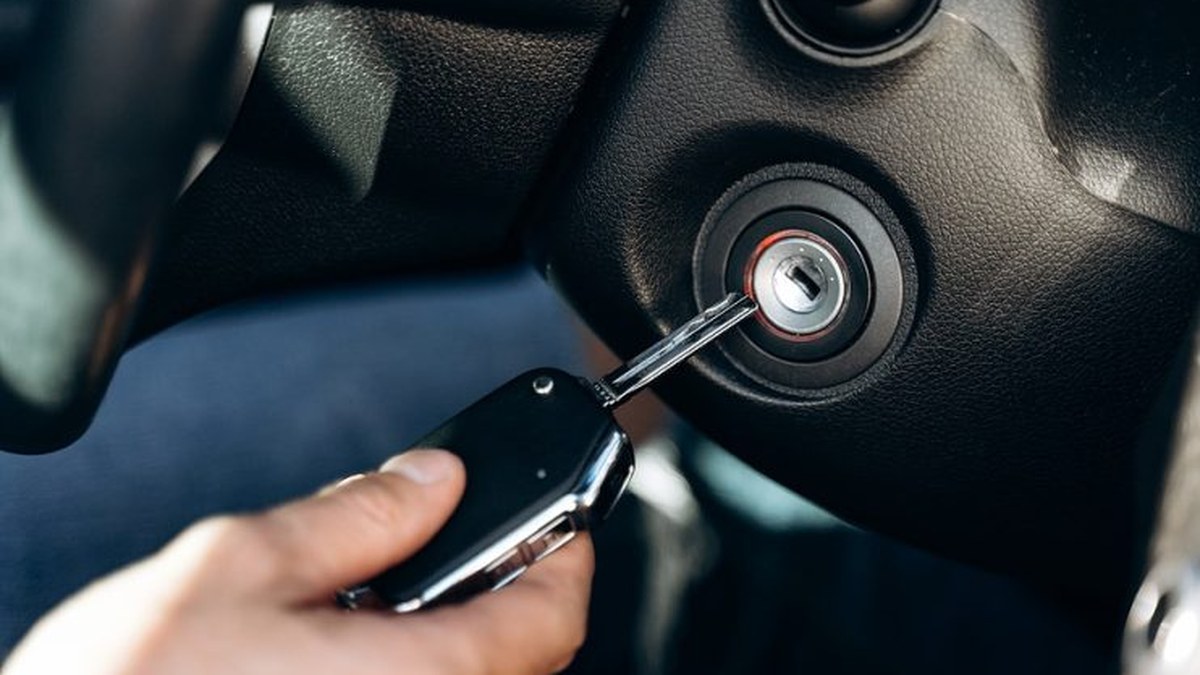
Why a car key gets stuck in the ignition
The most common causes include steering-wheel pressure, the shifter not fully registering park, a worn key, ignition-cylinder wear, debris, a weak car battery, or an interlock fault. Two problems can produce the same symptom, so replacing the first visible part is not always the correct repair. A locksmith should look at the complete operating sequence, identify where resistance or communication fails, and explain the available options before work begins.
It also helps to know what changed before the key stuck. A key that has been catching or needing a wiggle for weeks points toward key or cylinder wear. A key that sticks right after the battery ran low, or after the car was parked with the wheels turned, points toward the key-release interlock or the steering lock. Those details narrow the fault and reduce unnecessary replacement.
Safe checks before scheduling service
Before applying force or taking hardware apart, confirm the car is in park, gently relieve steering-wheel pressure, avoid pulling or twisting hard, and inspect the key for bending. These checks may reveal an obvious cause and give the locksmith better information. Stop if the key bends, the steering column makes a new grinding sound, or continued turning could damage the key, the ignition, or the steering lock.
Safe Inspection Checklist
- Take one clear photo of the lock, key, door edge, dashboard message, or damaged area.
- Write down the brand or car year, make, and model when visible.
- Confirm that you are authorized to request entry or changes to the property or car.
- Keep broken pieces and working spare keys available for inspection.
What a locksmith checks on a stuck ignition key
The service visit should begin with the symptom you reported, followed by inspection and testing. Depending on the result, the work may involve key extraction, ignition-cylinder diagnosis, worn-key replacement, ignition repair, or referral for a shifter, battery, or electrical interlock fault. The goal is to correct the confirmed failure while preserving serviceable hardware when that is practical.
The checks usually start with the key itself: whether the blade is bent, cracked, or worn so far that its cuts no longer line up the tumblers in the cylinder. Next comes the ignition cylinder, which can bind from internal wear or debris, and then the parts around it: the steering lock, the park position of the shifter, and the battery voltage that the key-release interlock on many automatic cars depends on. Each one is checked separately, so the work matches the part that actually failed.
Freeing the key, repairing the ignition, or replacing parts
If the key and cylinder are sound and the cause is steering pressure, the shifter position, or a weak battery, freeing the key may be all that is needed. A bent or badly worn key can be replaced with a new key cut to the correct specification, and on cars with a transponder chip the new key also has to be programmed to the car before it will start the engine. When the ignition cylinder itself is worn or damaged, it may be repaired or replaced, and on some cars a replacement cylinder can be set to work with the existing key. A clear estimate should state which option is proposed and why.
Maryland weather, parking, and ignition wear
Cold winter mornings stiffen the lubricants and plastic parts around the steering column, and summer humidity adds moisture and dust inside the car. Over years of daily starts, a heavy keyring pulls on the key and wears the key blade and the ignition cylinder together, which is why a key that has started to catch tends to get worse rather than better. Parking with the front wheels turned, for example against a curb on a slope, puts load on the steering lock and is a common reason a key will not turn back to the release position.
Signs the ignition problem is getting worse
A stuck key rarely appears without warning. Watch for a key that needs wiggling to turn, a key that catches in one position, a steering wheel that has to be moved before the key will turn, a key-in-ignition chime or dashboard message that behaves inconsistently, or a key that comes out only after several tries. A symptom that comes and goes still matters, and it is easier to diagnose while the ignition still works part of the time.
Do not wait for the key to snap in the cylinder before having it checked. Note when it happens: cold or warm weather, after parking on a slope, with a low battery warning, and with one key or with every key. Specific observations are more useful than describing the ignition as simply broken.
What not to do with a stuck ignition key
Do not force the key, pull on it with pliers, or tap it with a hammer. Do not spray household oil or an unknown product into the ignition; it can hold dust and make the cylinder bind worse. Do not remove the steering-column covers or disconnect wiring or airbag parts unless you are trained to do so. Do not keep twisting a key that is already bent, because a key that snaps inside the cylinder turns a stuck key into an extraction and repair job.
How the service decision is made
The correct service should match the confirmed cause. If testing shows steering-wheel pressure, the shifter not fully registering park, a worn key, ignition-cylinder wear, debris, a weak car battery, or an interlock fault, the locksmith can explain which adjustment, repair, programming step, or replacement addresses that cause. The proposed work should also account for the age and condition of the surrounding components. A new ignition cylinder will not fix a shifter that does not register park, and a new key will not help if the battery cannot power the key-release interlock.
Ask for the scope before approving work: which part is being serviced, what will remain, how many keys are included, and how the completed work will be tested. For a stuck ignition key, testing should include turning the key through every position, starting the engine, and removing the key with the car in park.
Access, identification, and authorization
Locksmith work involves controlled access. The person requesting service should be ready to show identification and reasonable proof of authority for the home, business, managed property, or car. Commercial requests may require confirmation from an owner, manager, leaseholder, or designated keyholder. If the documents are inside the locked property, explain that when scheduling so the available proof and access situation can be discussed before work begins.
Planning the appointment
When calling about a car key that will not return to the release position or come out of the ignition cylinder, provide the city, the car's year, make, and model, the exact symptom, and anything that changed before it started, such as a low battery or a newly cut key. Mention if the key is visibly bent or cracked or if warning messages appear on the dashboard. Clear information helps reserve the correct service window and prepare for the likely hardware without promising a diagnosis before inspection.
Keeping the ignition key working
Keep the keyring light, because the weight of other keys and accessories hanging from the ignition key wears the cylinder over time. Replace a key that is bent, cracked, or worn smooth before it fails, and have a spare made to the correct specification rather than copied from a worn key, since copying a worn key carries the wear into the new one.
Put the shifter fully in park and let the steering wheel settle before turning the car off. If the battery warning light comes on or the engine is slow to crank, have the battery tested, because a weak battery can keep the key from releasing on many automatic cars.
Information to have ready
- Your city and the type of property or car
- The exact symptom and when it began
- Any recent key, lock, battery, door, or access changes
- The lock or key brand when known
- A working callback number and preferred appointment window
Frequently asked questions
Why will my key not come out of the ignition?
The most common reasons are the shifter not fully in park, pressure on the steering lock, a weak battery that cannot release the key interlock, or a worn key or cylinder. Check the first three gently before assuming a part has failed.
Can I use lubricant to free the key?
Avoid household oil and unknown sprays. They can hold dust inside the cylinder and make binding worse. If gentle checks do not free the key, have the ignition inspected.
Does a stuck key mean the ignition needs replacement?
Not automatically. A worn key, steering pressure, or the park interlock can cause the same symptom. Replacement is considered only when testing shows the cylinder is worn or damaged.
Will a new key need programming?
If the car uses a transponder key, a newly cut key has to be programmed to the car before it will start the engine. A key for a car without a transponder only needs to be cut correctly.
What proof may be required?
Be prepared to show identification and reasonable proof that you own the car or are authorized to request work on it, such as the registration.
How do I arrange service?
Call 911 Locksmith at (240) 512-8126 during the business hours posted on the website and explain the symptom, location, and the car year, make, and model.
Related Services & Local Resources
More Car Key Problems
What customers say about 911 Locksmith
Google reviews from homeowners, drivers and businesses across Maryland.
Need help with this?
Need help with a car key that will not return to the release position or come out of the ignition cylinder? Call 911 Locksmith at (240) 512-8126 or use the website contact form to request an appointment during posted business hours.