
Car Transponder Key Will Not Program in Maryland
A transponder key or fob that fails to complete programming or is programmed but still does not authorize the car to start is usually a hardware, alignment, key, or access-control problem that needs to be identified before any part is replaced. The useful first step is to separate a simple operating issue from a damaged component. 911 Locksmith serves Severn and communities across its listed Maryland service area during posted business hours. Call (240) 512-8126 to describe what the lock, key, door, or car is doing and arrange service.
- 4.9 on Google
- Licensed, bonded and insured
- Serving Maryland since 2013
- We come to your address
What this problem usually means
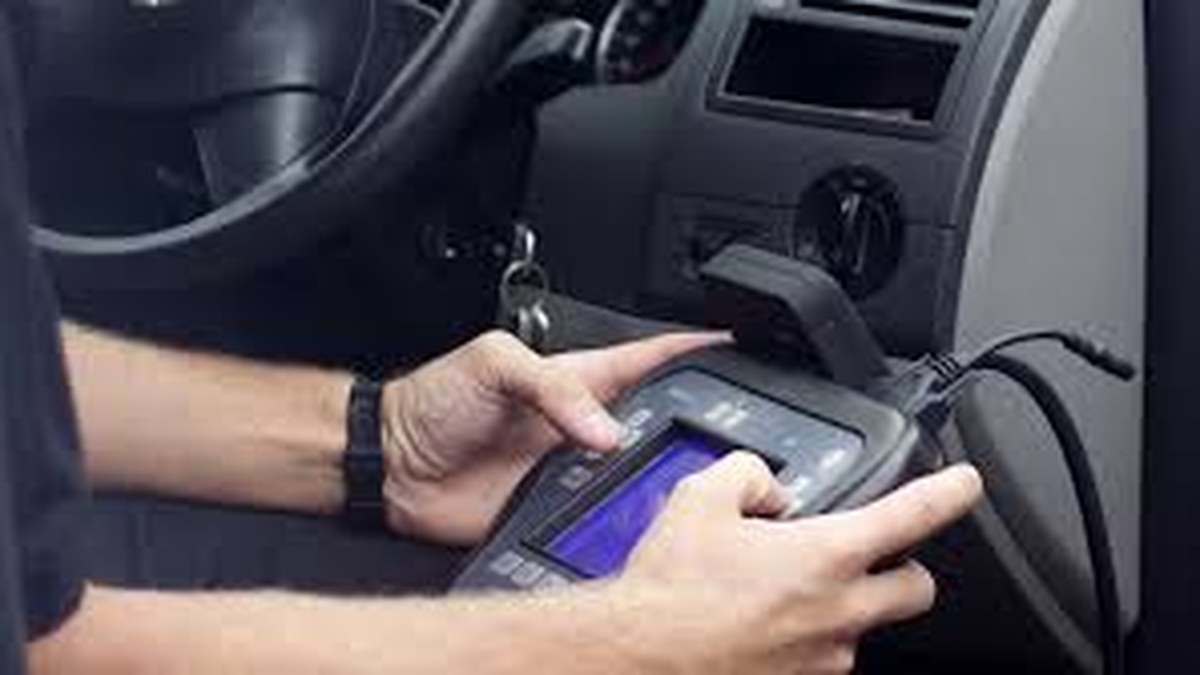
The most common causes include an incompatible key, incorrect chip type, locked or defective module, weak car battery, antenna fault, damaged transponder, or incomplete programming procedure. Two problems can produce the same symptom, so replacing the first visible part is not always the correct repair. A locksmith should look at the complete operating sequence, identify where resistance or communication fails, and explain the available options before work begins.
A useful diagnosis also considers what changed before the problem started. A door may have become difficult after a weather shift, a key may have stopped working after a drop, or commercial hardware may have changed after repeated heavy use. Those details narrow the fault and reduce unnecessary replacement.
Safe checks before scheduling service
Before applying force or taking hardware apart, confirm the year, make, model, and existing key status, stabilize the car battery, keep all available keys present, and avoid repeated unsupported procedures. These checks may reveal an obvious cause and give the locksmith better information. Stop if a key bends, a lock makes a new grinding sound, a door cannot close safely, or continued testing could damage the frame, glass, ignition, wiring, or hardware.
Safe Inspection Checklist
- Take one clear photo of the lock, key, door edge, dashboard message, or damaged area.
- Write down the brand or car year, make, and model when visible.
- Confirm that you are authorized to request entry or changes to the property or car.
- Keep broken pieces and working spare keys available for inspection.
What a locksmith evaluates
The service visit should begin with the symptom you reported, followed by inspection and testing. Depending on the result, the work may involve key compatibility verification, transponder testing, diagnostic programming, key cutting, immobilizer evaluation, or referral when module-level repair is required. The goal is to correct the confirmed failure while preserving serviceable hardware when that is practical.
For door hardware, the lock should be tested with the door open and closed because alignment can imitate an internal lock failure. For car keys, mechanical cutting, remote functions, transponder authorization, and the car's own electrical condition are separate parts of the diagnosis. For commercial openings, the latch, closer, hinges or pivots, strike, cylinder, and exit hardware must work together.
Repair, rekey, or replacement?
Repair is appropriate when the main hardware remains sound and a worn, loose, dirty, or misaligned part can be corrected. Rekeying changes which key operates a compatible cylinder without replacing the full lock. Replacement makes more sense when parts are broken, badly worn, incompatible with the required function, or no longer supported. A clear estimate should state which option is proposed and why.
Local service considerations
Maryland homes and businesses include wood, metal, aluminum storefront, glass-entry, and multifamily door systems. Weather, moisture, repeated use, building movement, and past hardware changes can all affect operation.
Signs that the problem is getting worse
A small change in operation often appears before a complete failure. With a transponder key or fob that fails to complete programming or is programmed but still does not authorize the car to start, watch for increasing resistance, inconsistent operation, new sounds, visible movement, intermittent electronic messages, or the need to repeat the same action. A symptom that comes and goes still matters. Intermittent faults can point to alignment, electrical contact, programming, or internal wear, and they are often easier to diagnose while the system still works part of the time.
Do not wait for a key to snap, a door to become impossible to secure, or an electronic lock to lose all response before documenting the issue. Note the conditions under which it happens: door open or closed, first use of the day or after repeated use, one key or every key, dry weather or rain, and remote button or mechanical blade. Specific observations are more useful than describing the entire lock as simply broken.
What not to do
Avoid forcing a key, striking the hardware, prying a door or trunk, spraying an unknown product into an electronic lock, or repeatedly cycling a struggling motor. Do not use glue on a broken key fragment. Do not dismantle commercial exit hardware or a car steering-column area unless you are trained and authorized. These actions can turn a serviceable problem into damaged hardware, scratched finishes, broken glass, wiring faults, or a door that no longer meets its intended safety function.
How the service decision is made
The correct service should match the confirmed cause. If testing shows an incompatible key, incorrect chip type, locked or defective module, weak car battery, antenna fault, damaged transponder, or incomplete programming procedure, the locksmith can explain which adjustment, repair, rekey, programming step, or replacement addresses that cause. The proposed work should also account for the age and condition of the surrounding components. Installing a new cylinder will not correct a sagging door, and programming a new fob will not repair a weak car battery or a failed antenna.
Ask for the scope before approving work: which part is being serviced, what will remain, how many keys or credentials are included, and how the completed operation will be tested. For a door, testing should include normal closing and locking. For a car key, it should include the functions supported by that key. For commercial access, it should include authorized keys and the opening's normal operating sequence.
Access, identification, and authorization
Locksmith work involves controlled access. The person requesting service should be ready to show identification and reasonable proof of authority for the home, business, managed property, or car. Commercial requests may require confirmation from an owner, manager, leaseholder, or designated keyholder. If the documents are inside the locked property, explain that when scheduling so the available proof and access situation can be discussed before work begins.
Planning the appointment
When calling about a transponder key or fob that fails to complete programming or is programmed but still does not authorize the car to start, provide the city, the exact symptom, the type of lock or car, and any recent change that may be connected. Mention if the opening cannot be secured, if a key is visibly cracked, if electronic messages appear, or if the door contains glass or specialized commercial hardware. Clear information helps reserve the correct service window and prepare for the likely hardware without promising a diagnosis before inspection.
Preventing a repeat problem
Prevention depends on the cause. Keep good spare keys before the last working key becomes worn. Do not hang heavy items from an ignition key. Replace electronic-lock batteries with the recommended type and as a full set. Address doors that rub, sag, or need pressure to latch. Maintain a written keyholder record for businesses. After rekeying, collect obsolete keys and label new keys without writing the complete property address on them.
Check operation periodically instead of waiting for a lockout or an unsecured closing. Use normal hand pressure during testing. A properly functioning lock should operate consistently; it should not depend on lifting a door, pulling hard on a handle, twisting a key beyond its normal range, or repeating electronic commands. Early correction protects the door, frame, key, cylinder, and connected hardware from extra wear.
Information to have ready
- Your city and the type of property or car
- The exact symptom and when it began
- Any recent key, lock, battery, door, or access changes
- The lock or key brand when known
- A working callback number and preferred appointment window
Frequently asked questions
Can I keep testing it?
Use only light, normal operating pressure. Stop if the key bends, hardware shifts, the motor repeats, or the door or ignition binds.
Does the entire lock or key system need replacement?
Not automatically. Diagnosis should come first because alignment, a worn key, programming, or one serviceable component may be the cause.
Can the lock be rekeyed instead?
Rekeying helps when access control must change and the cylinder is compatible and in usable condition. It does not correct every mechanical or electronic fault.
What proof may be required?
Be prepared to show identification and reasonable proof that you are authorized to access or alter the home, business, or car.
How do I arrange service?
Call 911 Locksmith at (240) 512-8126 during the business hours posted on the website and explain the symptom, location, and hardware or car details.
Related Services & Local Resources
More Car Key Problems
What customers say about 911 Locksmith
Google reviews from homeowners, drivers and businesses across Maryland.
Need help with this?
Need help with a transponder key or fob that fails to complete programming or is programmed but still does not authorize the car to start? Call 911 Locksmith at (240) 512-8126 or use the website contact form to request an appointment during posted business hours.